Menu
Log in


OUR MISSION

Promoting sustainable ground water development and management for maximum beneficial use without waste or contamination.


<< First  < Prev   1   2   Next >  Last >> 
  • 08/11/2026 9:34 AM | Anonymous
    • Companies purchase workers’ compensation insurance to cover expenses that result from employees becoming injured on the job as well as employees who experience occupational diseases caused by work.

      The coverage includes the following benefits:

    • Medical treatments
    • Disability benefits
    • Vocational rehabilitation
    • Death benefits.
    • It is important for companies to understand the different types of benefits that employees can receive under workers’ compensation coverage. By doing so, employers can monitor their workers’ compensation claims and save money, while also providing a better claim experience for their employees.

      Medical Benefits
      Medical benefits are the benefits that are paid out by a company’s workers’ compensation insurance policy for an employee’s medical treatment. This coverage pays for the medical treatment necessary to treat the employee’s work-related injury.

      Any medical treatment that the employee receives will be covered, so long as it is considered medically necessary or reasonable to treat the work-related injury. Alternative medicine treatments are normally not covered by workers’ compensation coverage.

      There are specific statutory requirements and limitations for types of medical treatments covered by workers’ compensation insurance, but these requirements vary by state.

      Disability Benefits
      There are several different disability benefits available for employees under workers’ compensation coverage, known as wage replacement benefits. These benefits take the place of the employee’s wages if they are out of work due to a work-related injury or the benefits are a supplement to an employee’s wages while they are unable to return to work in full capacity due to the work-related injury. These benefits include:

      Temporary Total Disability (TTD): These benefits are used when an employee must take off of work completely until they have healed and are able to return to work per a physician’s medical release. Each state’s percentage paid can vary, so it is important to check the state the workers’ compensation claim is filed in. Once the employee is able to return to work, these benefits are discontinued.

      Temporary Partial Disability (TPD): These benefits apply when an employee is allowed to return to work in a limited capacity per a physician’s order. This can mean the employee might work for fewer hours or in a different type of job role (e.g., transitioning to light-duty tasks). Once the employee is able to return to work at full capacity, these benefits are discontinued.

      Permanent Partial Disability (PPD): These benefits are used when an employee has a permanent disability but is still able to continue working in a limited capacity. The percentage rating of an employee’s disability is determined when the employee has reached maximum medical improvement (MMI), meaning the employee is not going to improve from the injury any further. A physician then determines the severity of the disability and assigns a percentage.

      An employee will not be able to work in the role they did prior to the injury and will have to switch job roles to accommodate their disability. PPD may also require shorter workdays or other work restrictions.

      Permanent Total Disability (PTD): These benefits apply when an employee reaches MMI and is unable to return to work in any capacity due to becoming permanently disabled by their work-related injury. This decision has to be made by a physician.

      The employee will be given a disability rating and must qualify for PTD, which varies by state. In most states, these benefits apply to the loss of body parts as well. These benefits will run until there is a settlement reached or the employee is able to collect Medicare. Each state has its own laws concerning workers’ compensation benefits, so employers should seek legal counsel for specific questions.

      In any workers’ compensation case, the restrictions of the employee should be determined by a treating physician.

      Vocational Rehabilitation Benefits
      If an employee has been injured and is not able to return to their previous job due to a work-related injury, vocational rehabilitation benefits can help them reenter the job market. These benefits provide services such as:

    • Career planning
    • Job placement
    • Skills training.

    These benefits are meant to help employees return to work when they would otherwise be unable to do so. The services provided by these benefits vary by state.

    Death and Dependency Benefits
    These benefits are paid out when an employee is killed from a work-related accident or injury or experiences an occupational disease that results in death. Depending on the state in which the employee was employed, a surviving spouse or relative may be eligible to receive compensation to make up for the decedent’s wages. The amount of compensation received and how long the benefits last will depend on the state in which the benefits are being paid.

    Depending on the state, dependent children can also receive additional benefits. Normally, such children must be under the age of 18 or continue to be dependent on their parents after the age of 18 due to mental or physical impairment or incapacity.

    Another expense that workers’ compensation insurance provides through death benefits is funeral expenses. If an employee is killed in a work-related accident or due to an occupational disease, they will have either a portion or all of their funeral expenses paid for. The amount paid varies by state.

    The Importance of Understanding Workers’ Compensation Benefits
    Employers should understand all aspects of a workers’ compensation claim, as it will allow them to have conversations with their employees regarding workers’ compensation benefits. By understanding the claim process, employers can effectively speak with affected employees concerning any claim-related questions that may arise. If an employer is unable to answer these questions, they should consult their workers’ compensation insurance carrier to figure out the answers.

    Another reason that understanding the workers’ compensation claim process is important is that it affects a company’s bottom line. By understanding the different components of a workers’ compensation claim, an employer can review the cost of the claim, and understand which benefits are being paid and why.

    Overall, understanding the entire workers’ compensation claim process—specifically, which benefits employees can receive—can allow an employer to leverage their workers’ compensation policy effectively and minimize claim-related expenses.

    Sponsored by:


    Provided by:


  • 03/27/2026 7:48 AM | Madalyn Kuznik (Administrator)

    Nearly 40 NGWA members participated in more than 60 meetings with Congressional offices, Senate staff, and key federal agencies March 24–25 at the 2026 NGWA Fly-In held in Washington, D.C.
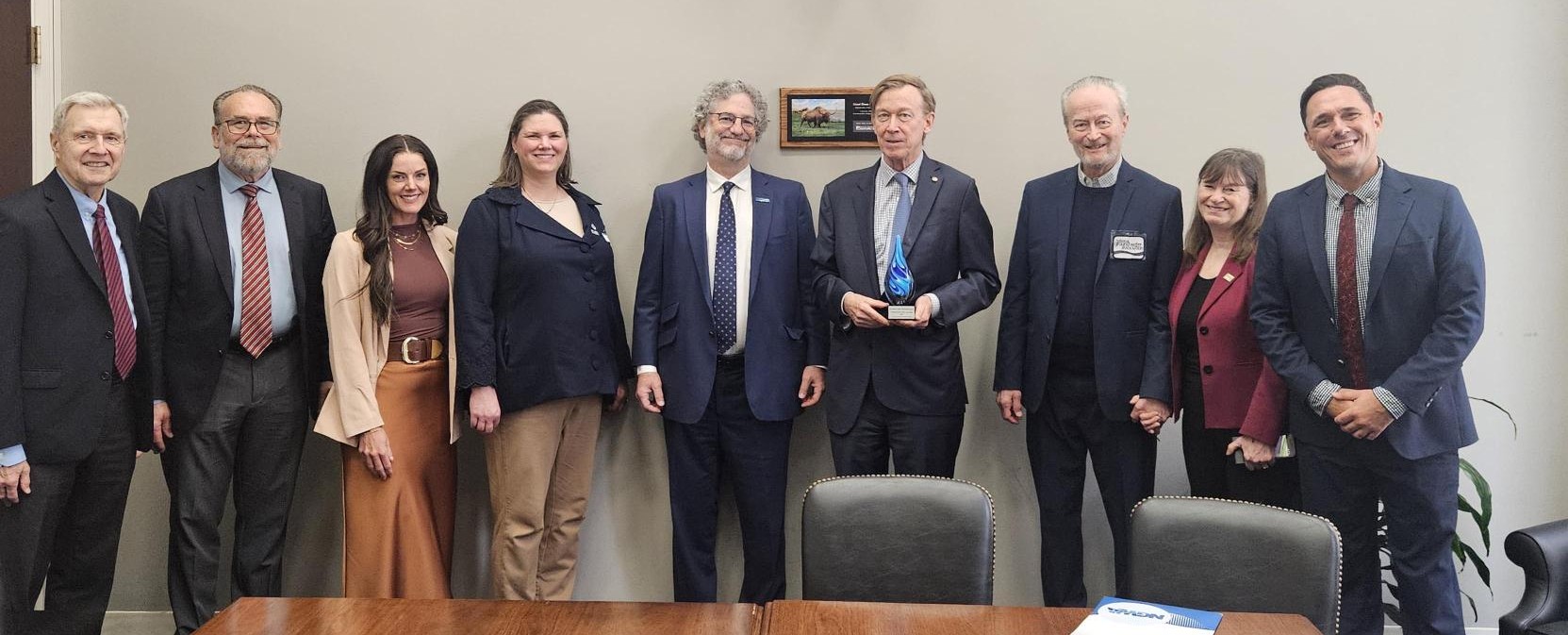
    Representing a broad cross-section of groundwater professionals, members traveled from across the United States — including as far as Alaska — as well as internationally, with participation from Nigeria.

    A two-day event focused on advancing the organization’s federal policy priorities, the 60-plus conversations provided a platform for members to share real-world insights from the field, while reinforcing the important role groundwater plays in supporting communities, agriculture, energy production, and economic growth nationwide.

    A central focus of this year’s Fly-In was advocating for the reinstatement of geothermal tax credits, which are essential to advancing clean energy development and supporting jobs across the groundwater and geothermal sectors. Members also emphasized the need for increased federal investment in the U.S. Geological Survey’s National Ground-Water Monitoring Network, a resource for tracking water availability and quality.

    Fly-In participants also highlighted NGWA’s newly released Data Center Position Paper, raising awareness around the increasing water demands tied to rapid data center expansion and the importance of responsible groundwater management.

    During the event, NGWA members presented the 2025 Groundwater Protector Award to U.S. Senator John Hickenlooper (D-Colorado). This recognition is awarded to government officials who have demonstrated strong leadership and a sustained commitment to advancing groundwater protection and policy. Hickenlooper was recognized for his ongoing support of water infrastructure, science-based policy, and efforts that elevate the importance of groundwater at the federal level.

    “This year really demonstrated the strength and expertise of our membership and their commitment to giving NGWA a voice in D.C.,” said Ben Frech, NGWA’s government affairs manager.

    “From geothermal energy to water monitoring and recharge, our members are on the front lines of the nation’s most pressing water challenges. These conversations help ensure that policymakers understand both the urgency of these issues and the practical solutions our industry is ready to deliver.”
  • 07/28/2025 7:23 AM | Anonymous

    Registration is now open for the Fall Convention at Oregon Ground Water Association - 2025 Fall Convention

<< First  < Prev   1   2   Next >  Last >> 


Contact Us

2755 Commercial St. SE
STE 101-333
Salem, OR 97302 


Phone: (503) 390-7080
Fax: (614) 898-7786
E-mail: ogwa@ogwa.org

Powered by Wild Apricot Membership Software